When people choose drawer slides, they often start with the basics: load capacity, price, or whether the drawer moves smoothly.
But in real cabinet projects, the slide type affects much more than motion alone. It influences the look of the furniture, usable interior space, installation tolerance, long-term stability, and even how much maintenance the drawer will need over time.
That is why the choice between side-mount ball bearing slides and undermount concealed slides matters more than many people realize.
Two different design philosophies
At first glance, both options solve the same problem: helping a drawer open and close.
But they do it in very different ways.
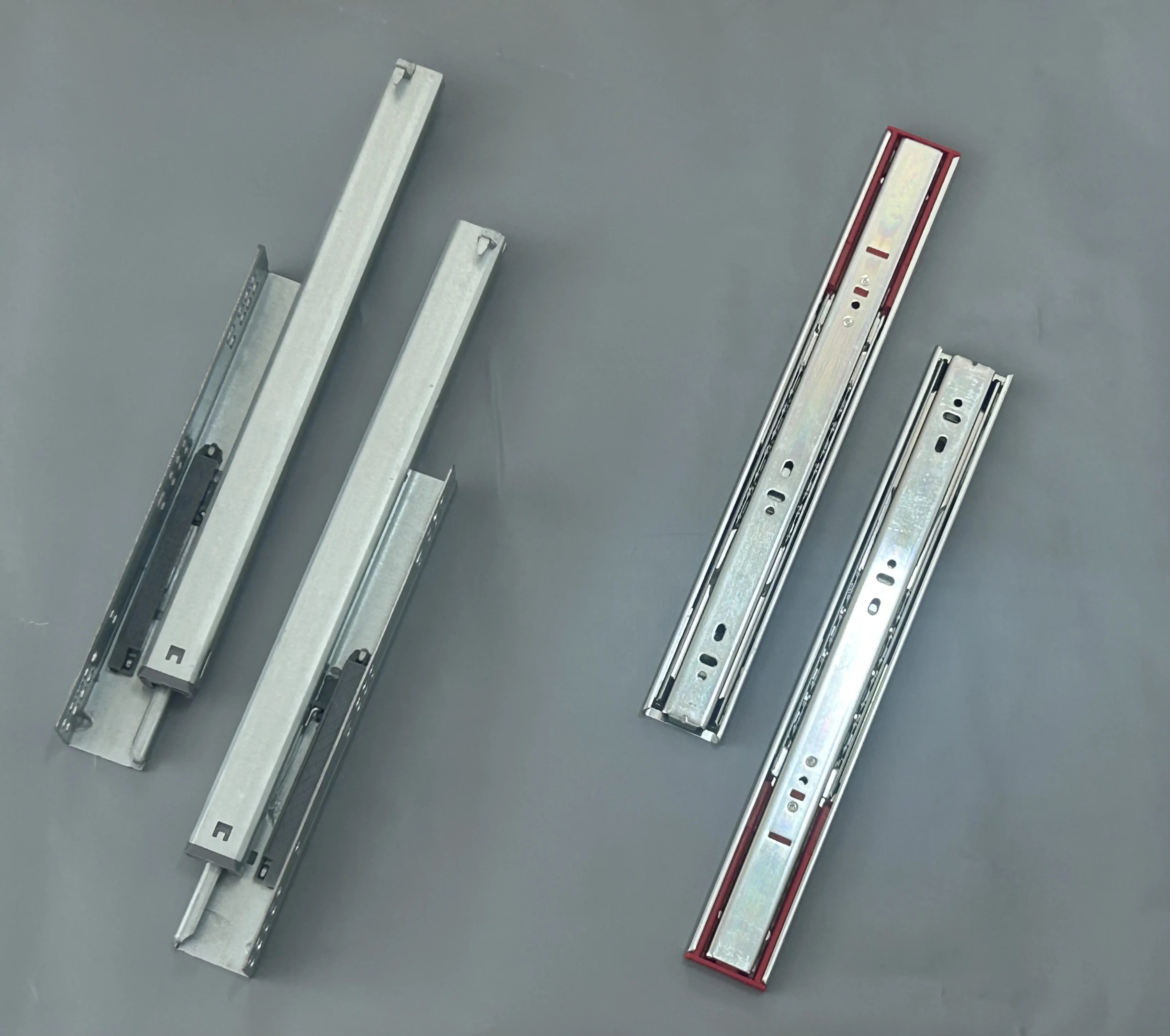
Side-mount ball bearing slides are the more traditional, visible solution. Undermount concealed slides are hidden underneath the drawer and designed to keep the hardware out of sight.
1. Appearance: visible hardware vs. hidden structure
Side-mount slides are easy to recognize. The metal rails and ball bearing structure are exposed when the drawer is open, which gives the cabinet a more industrial and mechanical feel. In some projects, that is perfectly acceptable. In others, it interrupts the visual flow of the cabinetry.
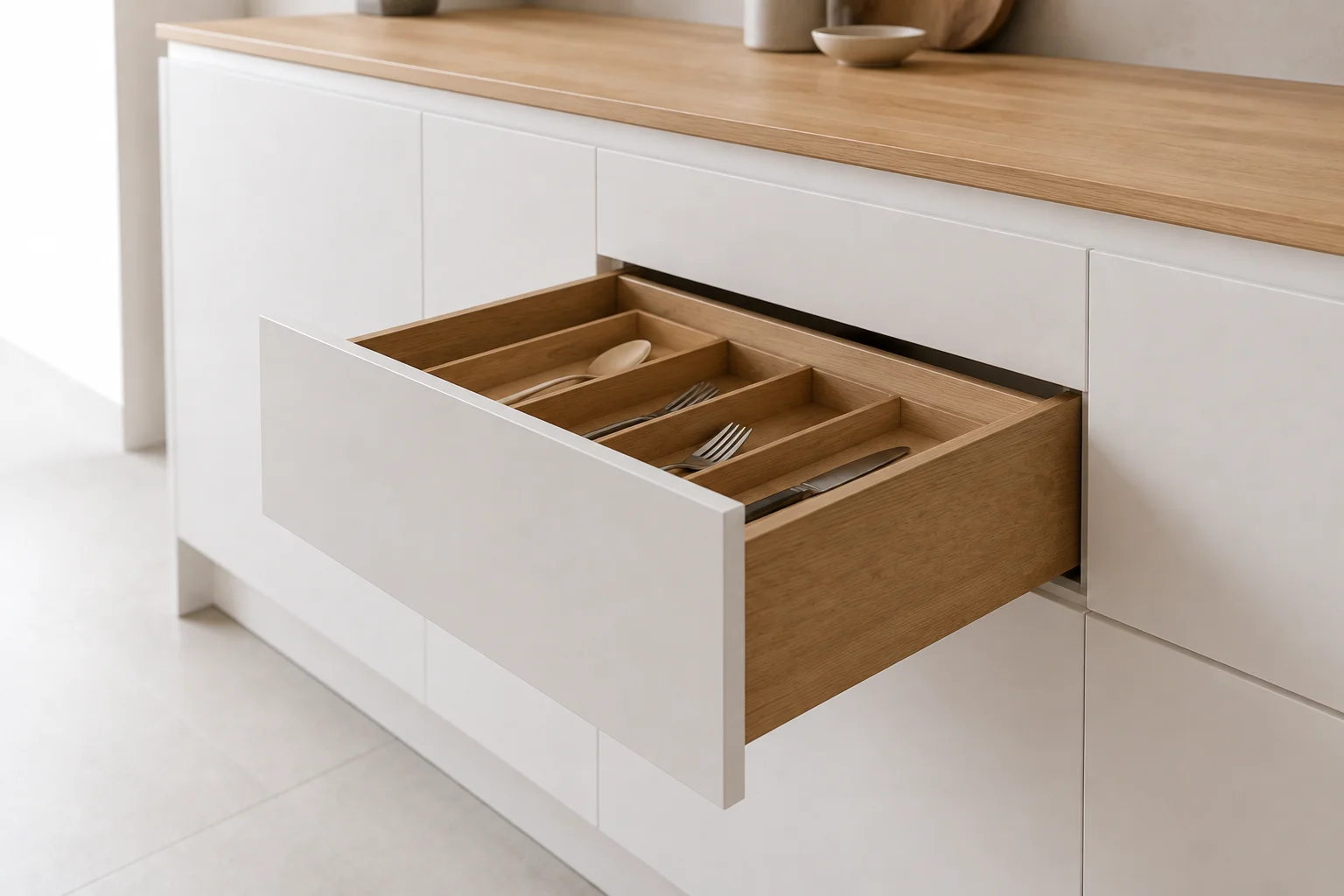
Undermount concealed slides take a different approach. Because the hardware sits below the drawer, the front and sides of the cabinet stay visually cleaner. The drawer appears more complete, and the woodwork or panel design remains the focus instead of the hardware.
2. Space efficiency: structure-first vs. storage-first
Side-mount slides require clearances on both sides of the drawer. That makes the layout easy to understand and install, but it also takes up width that could otherwise be used for storage. The drawer remains fully functional, but the internal space is not always used as efficiently as it could be.
Undermount slides free up the side walls. By shifting the mechanism to the bottom, the drawer gains more usable interior width and feels less constrained. In projects where storage efficiency matters, this can make a real difference.
3. Installation and manufacturing tolerance
Side-mount ball bearing slides are generally more forgiving. They can handle a wider range of cabinet conditions, and the installation process is usually simpler. If the cabinet is not perfectly square or the project requires fast on-site adjustment, side-mount slides are often easier to work with.
Undermount concealed slides are more demanding. They require more accurate drawer sizing, more precise drilling, and better control over alignment. Small errors can affect the final fit and movement. That means they are better suited to projects with stronger fabrication capabilities and tighter production standards.
4. Adjustment and fine-tuning
One area where undermount slides often stand out is adjustment. Many concealed systems offer more refined multi-directional adjustment, including height, side-to-side position, depth, and tilt. That makes it easier to achieve a precise, balanced final result.
Side-mount slides can still be adjusted, but the process is usually more direct and less flexible. In many cases, adjustment means loosening and repositioning the hardware rather than making small fine-tuned corrections.
5. Stability and load behavior
Each slide type also handles weight in a different way. Side-mount slides rely on the side walls and mounting screws to carry the load. For normal usage, this works well. But in deeper drawers or situations with uneven loading, the hardware can experience more stress over time.
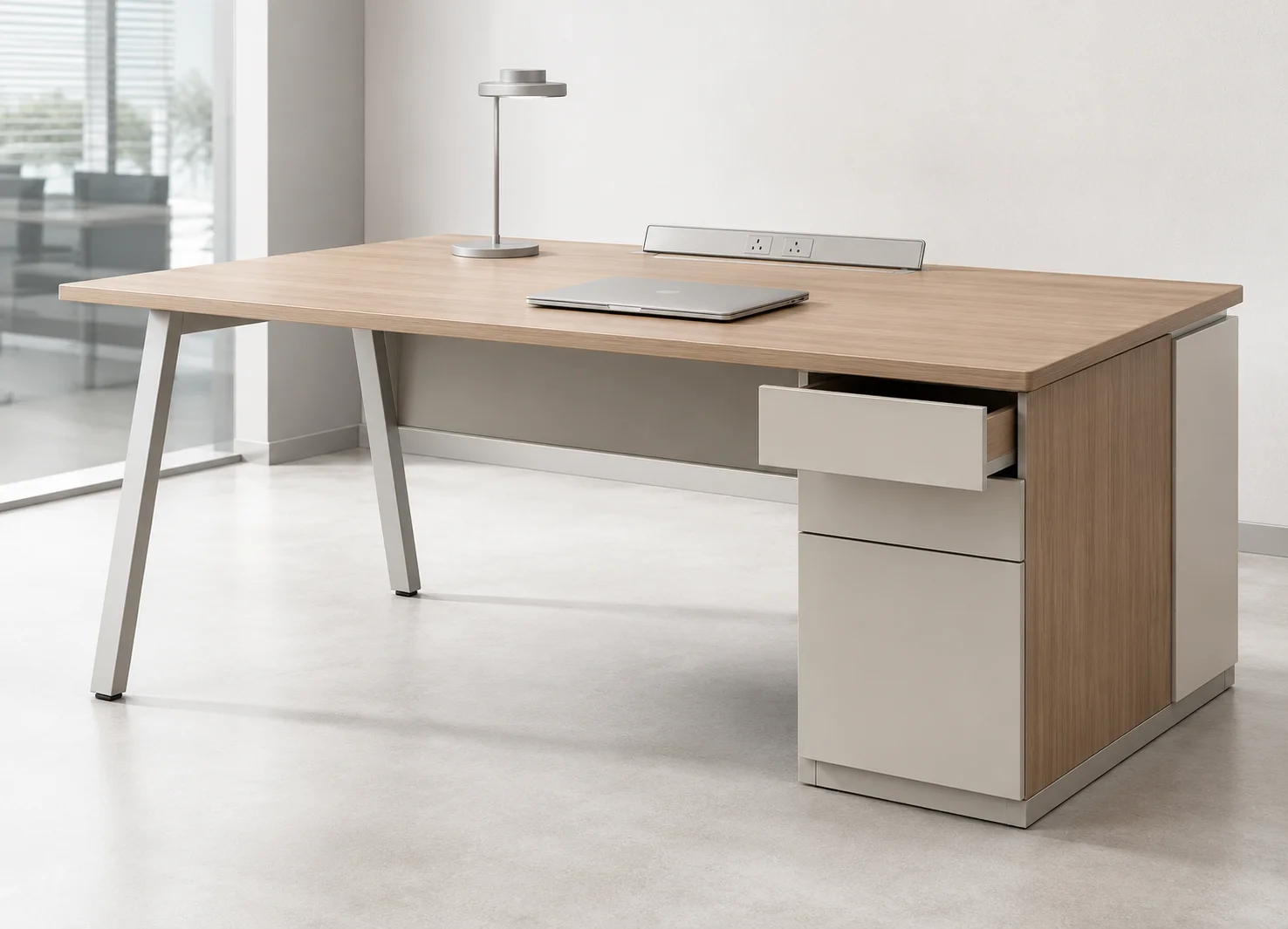
Undermount slides use a more bottom-supported structure. That support style can be especially helpful for deeper drawers or heavier storage applications, because the weight is distributed in a way that feels more balanced.
6. Cleanliness and maintenance
For kitchens in particular, maintenance is a practical concern. Side-mount slides are exposed to grease, dust, wood particles, and moisture more easily because the moving parts sit in open air. Over time, that can affect smoothness and increase the need for cleaning.
Undermount concealed slides are better protected from outside debris. Because the mechanism is tucked underneath the drawer, it is less exposed to contamination and tends to maintain smoother operation for longer.
7. How to choose the right one
A simple way to decide is to start with your project priority.
- Choose side-mount ball bearing slides if you want a practical and familiar solution, easier installation and adjustment, a traditional cabinet structure, heavier-duty use, or simpler budget-friendly hardware.
- Choose undermount concealed slides if you want a cleaner and more modern look, better use of drawer space, a quieter and smoother user experience, precise manufacturing, or a custom and premium result.
Final thoughts
Drawer slides are easy to overlook, but they have a major influence on how a cabinet feels in everyday use.
Side-mount ball bearing slides offer a clear, dependable, and flexible solution. Undermount concealed slides offer a more refined appearance, better space utilization, and a more premium user experience.
In many ways, this is not just a hardware decision. It is a design decision.
If your goal is to make the final product feel more complete, more elegant, and more intentional, the slide type you choose will play a bigger role than most people expect.